
Leave It Dog Training in Portland, OR
Teaching Dogs to Pause, Think, and Trust
If you’ve ever had to pry a sock out of your dog’s mouth—or watched in horror as they lunged for a chicken bone on the sidewalk—you already know just how useful the cue “leave it” can be. It’s one of those life skills that every dog should have, but many struggle with. That’s where Maniac Mutts and our “leave it” dog training come in.
At Maniac Mutts, we help dogs and their people work together to build better communication and stronger relationships. “Leave it” training isn’t just about getting your dog to drop something. It’s about helping them learn how to pause, think, and trust your guidance—even when something exciting is right in front of them.
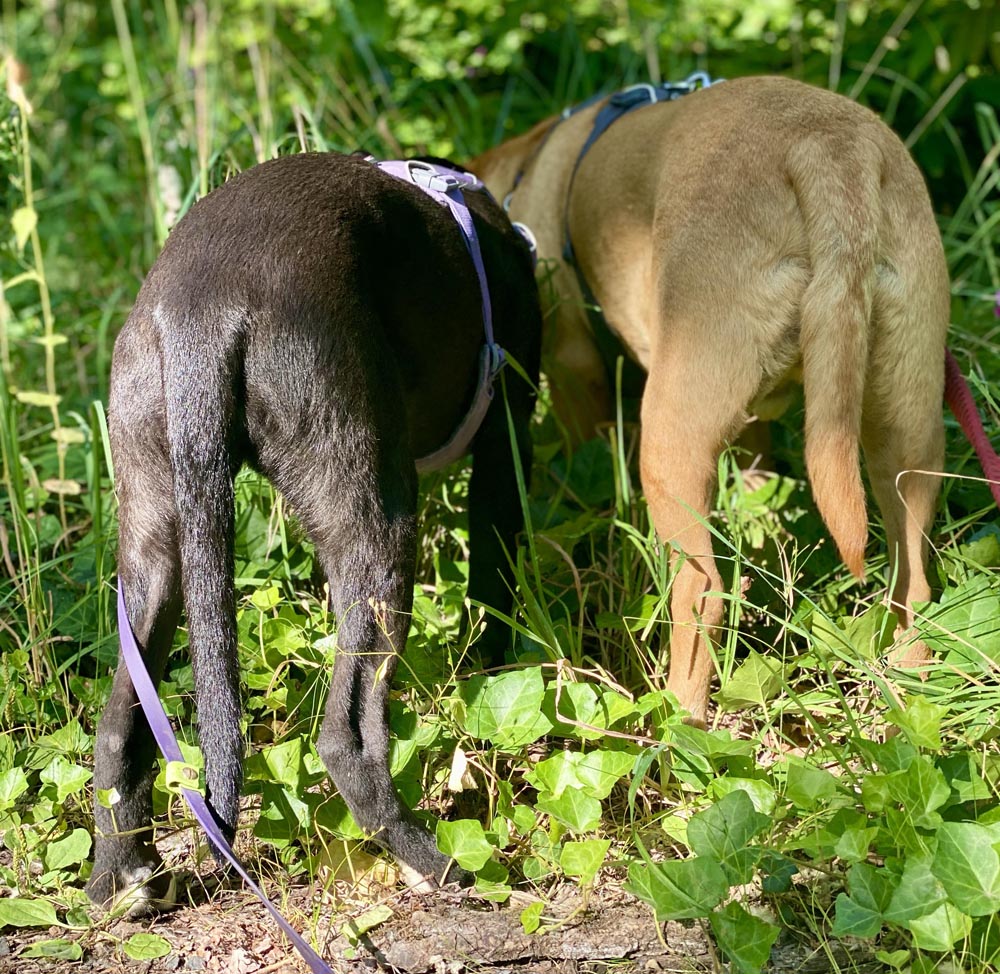 Why “Leave It” Feels So Hard for Dogs
Here’s something that might surprise you: when dogs grab something they’re not supposed to, they’re not trying to misbehave. In fact, they’re doing something completely natural. Puppies especially explore the world with their mouths—just like we use our hands. It’s how they learn, play, and figure things out. For them, sniffing something, grabbing it, and giving it a good chomp is often their version of “checking it out.”
Add in curiosity, hunger, boredom, or excitement, and it’s no wonder things end up in their mouths that shouldn’t. Leftover food, tissues, shoes, rocks, wrappers, socks—dogs aren’t trying to be bad. They’re just being dogs.
That’s why “leave it” is such an important skill. It gives your dog a way to pause before acting. It creates a little space between impulse and action. And most importantly, it gives you a way to redirect them with kindness instead of frustration.
We Use Positive Reinforcement, Always
At Maniac Mutts, we don’t believe in shouting, yanking leashes, or using punishment to get dogs to obey. That kind of approach can damage trust and often makes behavior worse over time.
Instead, we use positive, reward-based training methods that help dogs feel safe, confident, and motivated to make good choices. “Leave it” training starts with helping your dog understand what earns praise or a treat. Over time, they begin to realize that walking away from something—whether it’s a dropped snack or a squirrel—can be more rewarding than going for it.
This method is simple, effective, and best of all, it builds a stronger bond between you and your dog. You’re not just giving commands; you’re working as a team.
What Leave It Training Looks Like
Every dog is different, and our training is always personalized. But the process of teaching “leave it” usually starts in a quiet, low-distraction setting. We help your dog learn what “leave it” means in a calm environment first. That way, they can actually process what’s being asked—without the distraction of smells, sounds, or moving objects.
From there, we gradually build up the challenge. Maybe we move to the yard. Then the sidewalk. Then we introduce real-world scenarios, like a tempting wrapper on the ground or a toy they really want. At every step, we go at your dog’s pace. There’s no rush and no pressure—just thoughtful training that sets them up to succeed.
We also spend time helping you understand how to reinforce this cue at home. You’ll learn what to say, when to say it, and how to follow through. Because great training isn’t just for the lesson—it’s for real life.
Building Self-Control, One Choice at a Time
“Leave it” is one of those cues that does more than it seems. On the surface, it’s about walking away from something. But underneath, it’s about helping your dog develop impulse control.
Instead of reacting on instinct, your dog starts to learn how to pause. That pause creates space for listening, thinking, and connecting with you. It’s a big part of why this training helps with so many common challenges, like leash reactivity, counter-surfing, barking at distractions, or darting toward interesting smells.
And when your dog knows you’re not going to take things away in anger—but instead reward them for making good choices—it builds trust. They begin to look to you for guidance instead of acting on their own.
When “Leave It” Becomes a Lifesaving Skill
The cue “leave it” might seem simple, but it can have a big impact—sometimes even life-saving. Imagine a dog walking toward a dropped pill, a sharp bone on the sidewalk, or something toxic in the grass. Or think about a dog who’s ready to bolt after a bike, leap into a busy street, or lunge toward a beehive. In moments like these, the ability to pause and respond to “leave it” can make all the difference.
Whether it’s avoiding dangerous objects, resisting the urge to chase, or walking away from something that could harm them, this skill helps dogs stay safer in a world full of tempting (and risky) distractions. And for the humans on the other end of the leash, it brings a whole new level of peace of mind—knowing that your dog can make better choices and stay more connected to you in the moment.
You’re Not Alone—We’re Here to Help
It’s easy to feel frustrated when your dog doesn’t listen. Maybe you’ve tried teaching “leave it” before and it didn’t stick. Maybe you’re tired of repeating yourself. Maybe your dog seems to only listen sometimes, and you’re not sure why.
You’re not alone.
At Maniac Mutts, we understand how overwhelming it can feel to train your dog while juggling daily life. That’s why we offer simple, step-by-step support that fits your schedule and your dog’s personality. Whether you’ve got a curious puppy, a rowdy adolescent, or an older dog who’s set in their ways, we’ll meet you where you are.
And we’ll never make you feel judged. This is a partnership, and we’re in it together.
Frequently Asked Questions
What age should I start teaching “leave it”?
You can start teaching this cue as early as eight weeks old. Puppies are like little sponges—and since they’re already exploring the world with their mouths, it’s a great time to begin.
What if my dog ignores me when I say “leave it”?
That’s more common than you think. It usually means the training needs to be broken down into smaller steps, or the environment is too distracting. We’ll help you figure out what’s going on and how to adjust.
Can older dogs still learn “leave it”?
Absolutely. Dogs of any age can learn new cues, especially when training is fun and rewarding. It may take a little longer, but it’s definitely possible.
Will this help with things like counter-surfing?
Yes, it can be a big help. Teaching “leave it” builds impulse control, which makes it easier for dogs to resist the urge to grab things they shouldn’t.
How long does it take to see results?
Some dogs start to get it within a few sessions. Others need more time and consistency. We’ll work at your dog’s pace and make sure you have support every step of the way.
Ready to Teach Your Dog to Leave It?
If you’re tired of playing tug-of-war with shoes, snacks, or whatever your dog finds interesting, we’re here to help. “Leave it” training doesn’t have to be frustrating. With the right approach, it can actually be fun—and incredibly rewarding for both of you.
Whether you want to train one-on-one, in real-life situations, or just need help getting started, Maniac Mutts is ready when you are.
We’ll meet your dog with patience, treats, and a plan that works. All you have to do is reach out.